Returnable transport item tracking: the three costs hiding in one line item
Somewhere in most operations budgets there is a figure that gets renewed every year without much argument. It might be called replacement stock,...
4 min read
Maya Ahluwalia
Jul 10, 2026 11:41:05 AM
When your operation depends on parts and equipment moving between sites, everything runs to a schedule. It tells the crews where to be, sets the order the work happens in and fixes the dates you have promised. All of it rests on a single belief: that the goods the schedule depends on have shipped, are moving and will arrive when they are needed. That belief is rarely checked. Between the moment a shipment leaves one site and the moment someone confirms it has landed at another, you usually cannot see it at all, so the schedule is built on what the paperwork says should be happening rather than what is. Most of the time the assumption holds and nobody notices. When it doesn't, the schedule was wrong days before anyone found out.

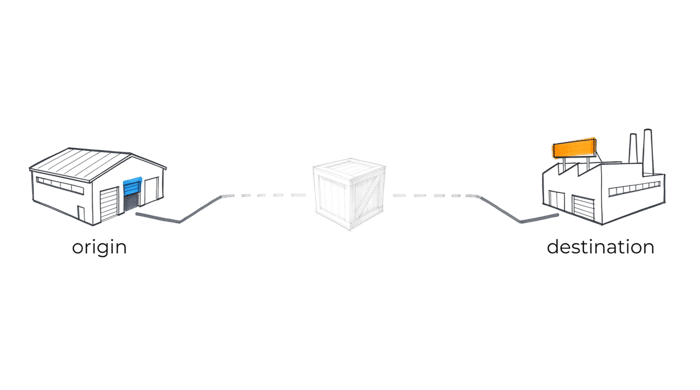
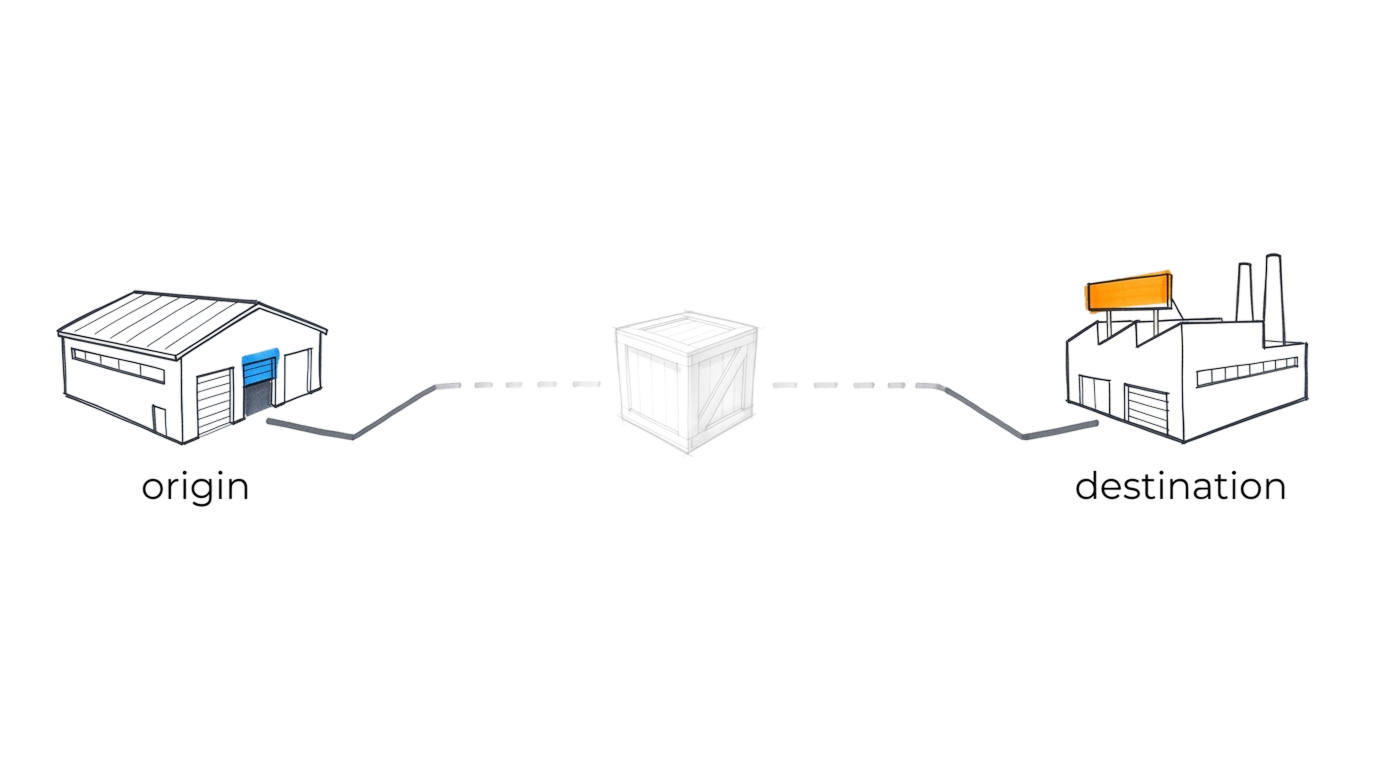
The shipment falls out of view because no single record follows it the whole way. Some sites run mature tracking systems. Others run on spreadsheets and phone calls, while the manufacturers and carriers in between keep their own records in their own formats. Each one sees its own leg and none of them share a picture. A shipment is easy to account for while it sits at the origin and easy again once it is booked in at the destination, but through everything in between, the intermediate stops, the warehouses, the transfers, it is effectively invisible. As one operation put it, the transit runs on email and trust. That holds right up until something is late or lost. From there, the only way to find out is to start making calls.
The cost of the blind spot is not really the shipment. It is everything that was planned around it. A crew is booked to install equipment on a day the equipment has not turned up. Nobody knew it was running late. With no time left to resequence the work, people stand idle or get sent home. Then the calls start: did you ship this, we cannot find it, we need it now, can you get another one out today. Each one pulls someone off their actual job to chase a shipment that may be sitting in an intermediate warehouse a hundred miles away.
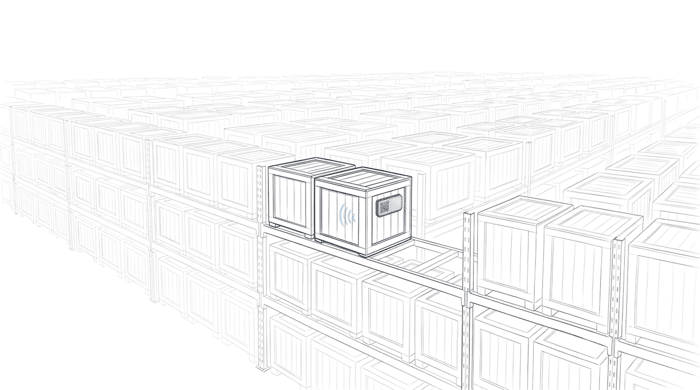
There is a second cost that catches people out. Even when the shipment has arrived, it can still be as good as lost. A large site taking in thousands of pallets does not automatically know which pallet holds the parts needed first. The search just moves indoors: teams walking the floor and the racking, opening crates, looking for the specific units the next install depends on. The shipment made it. The schedule still slips because finding it took a day nobody had spare.
The gap exists because visibility sits at fixed points: the origin knows what left and the destination knows what arrived, but nothing watches the shipment in the stretch between them. That stretch is exactly where the schedule gets broken. Closing the gap means giving up on stitching together each site's separate view and doing something different: letting the shipment carry a view of itself the whole way, so wherever it is, it can say so.
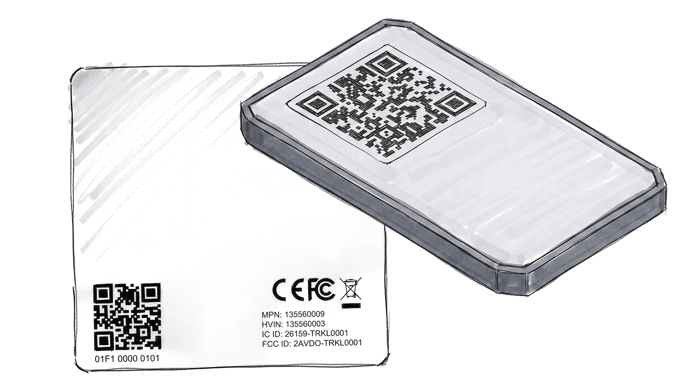
In practice that starts with a small, low-cost tag applied to the shipment at dispatch. Blecon is what turns that tag into visibility. The frontline devices your teams already carry pick up the Tag as the shipment moves, turning the phones and handhelds in daily use into tracking agents without anyone stopping to scan. At the sites that receive the most, a Blecon Hub at the receiving dock adds permanent coverage so arrival registers on its own the moment a shipment lands. No one has to check it in for the record to update.
The result is one live view of every shipment across every site, whatever systems each site already runs. For a one-way move, a single-journey label goes on at dispatch and is thrown away with the packaging at the far end. For equipment that cycles between sites or waits in storage before it is needed, a longer-life Micro Tag covers the whole journey and the wait at the other end. Dispatch, transit and arrival stop being three disconnected records and become one.

With the shipment carrying its own visibility, the schedule stops running on assumptions. The person who owns it can see every shipment as it moves: what has left, what is in transit and what has landed at each site, all in one live view. The dates on the plan line up with where the goods actually are.
That changes what happens when something runs late. A shipment drifting outside its expected arrival window raises an alert while there is still room to act. The work can be resequenced, a crew redirected or a replacement chased before the day it was needed rather than on it. The late shipment is still late. The schedule no longer breaks around it.
Not everything moves straight through. Plenty of shipments arrive somewhere and wait, sitting in a holding warehouse for weeks before they are needed. That is usually when things go quiet and get lost, buried among everything else in the store until the day someone needs them and cannot say where they are. A tag that lasts the whole stay keeps the item on the live view the entire time it waits, so when its turn comes it can be located and pulled without a search.

A schedule is only ever as reliable as what it knows. For as long as the stretch between sites stays dark, that knowledge runs out the moment a shipment leaves the dock. The plan fills the gap with assumptions and the assumptions are what break it. Give the shipment a way to report where it is and the plan reflects something firmer: what has actually shipped, moved and arrived, across every site and every journey.
Start tracking your shipments today. Order a Blecon evaluation kit, tag a handful of your next inter-site moves and watch them travel from dispatch to arrival on one live view. If your build schedule has been running on email and trust, it is the quickest way to see what changes when it runs on facts instead.
|
Order an evaluation kit to start tracking your RTI's today.
|
Get in contact to discuss your needs and questions further.
|
Learn more about inter-site shipping tracking.
|
Somewhere in most operations budgets there is a figure that gets renewed every year without much argument. It might be called replacement stock,...
The stockroom that drives away Every field-service business runs a stockroom. The difference is that this one has wheels and leaves the yard every...
When your operation depends on parts and equipment moving between sites, everything runs to a schedule. It tells the crews where to be, sets the...